Studio DARKUV / Art / Alike
"Each piece begins as an algorithm and ends as a decision made by a human hand."
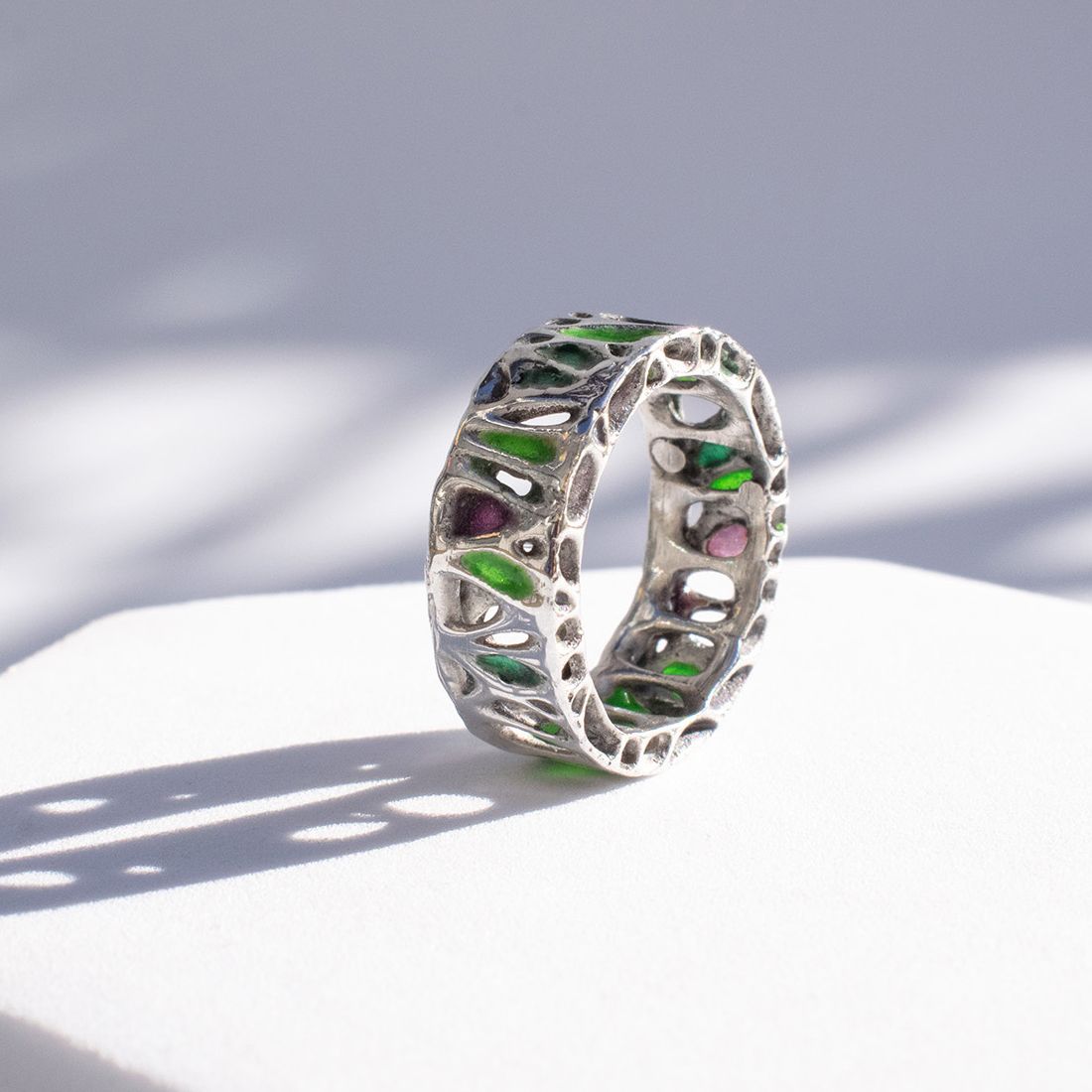
The Alike series grew out of a question I kept returning to: what does randomness look like when it is authored by a human creator? I wrote a programme (not AI!) that generates cellular structures (like you find in bone, coral, dried mud) and used its output as the basis for each piece. No two results are the same, but all of them belong to the same family.
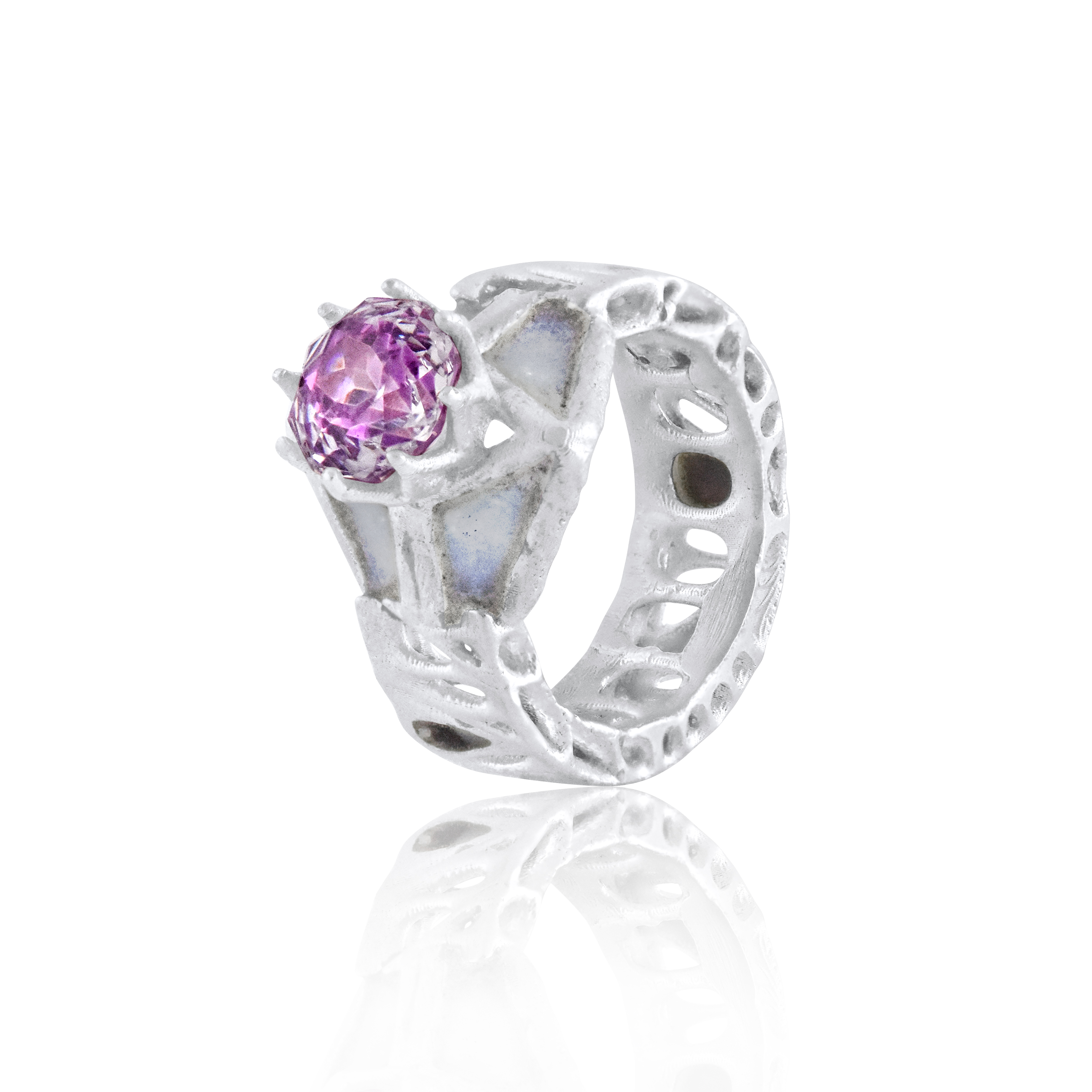
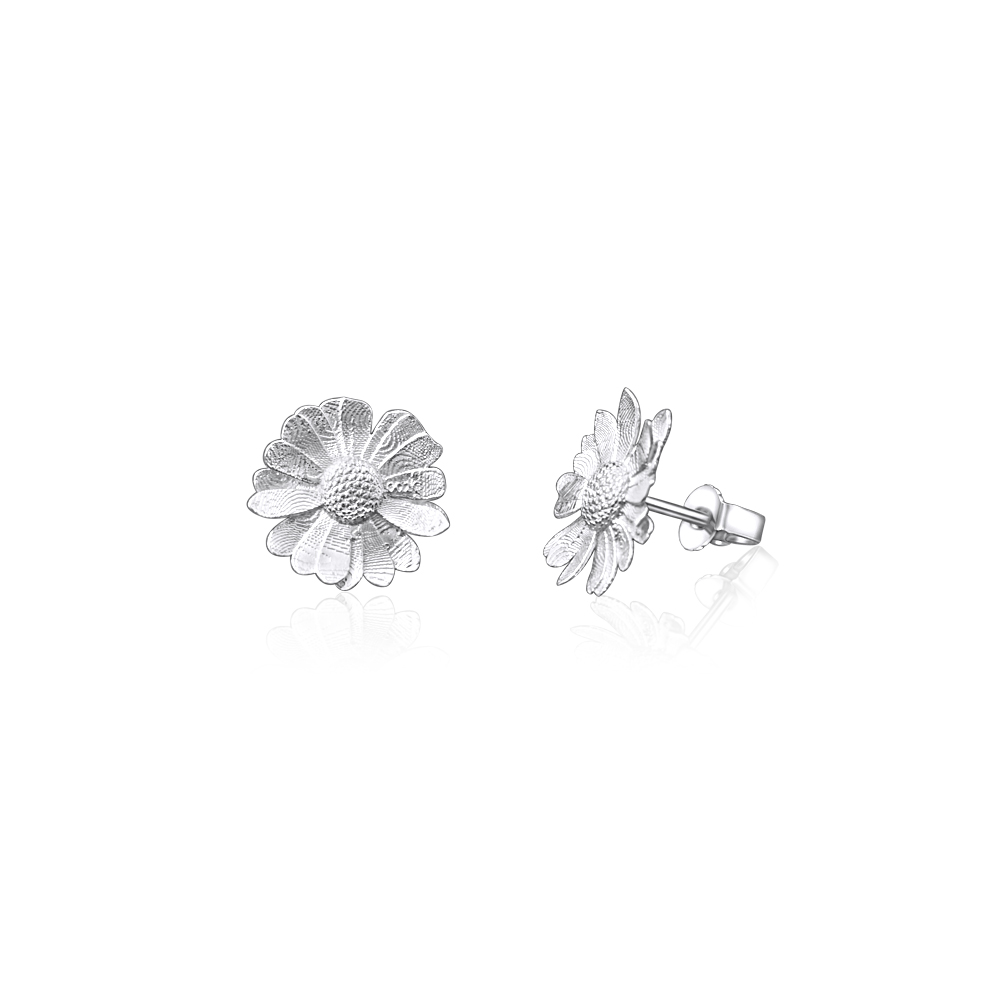
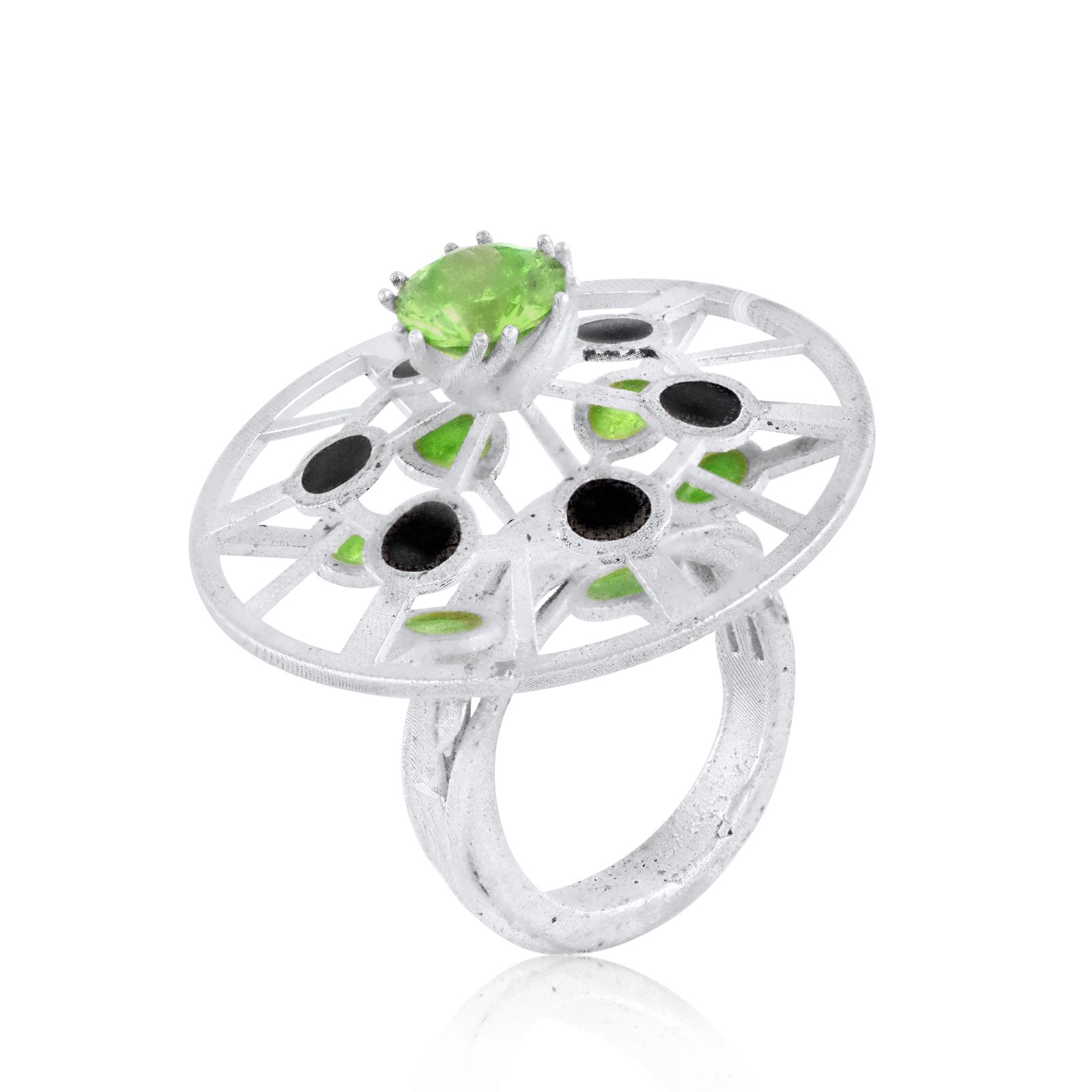
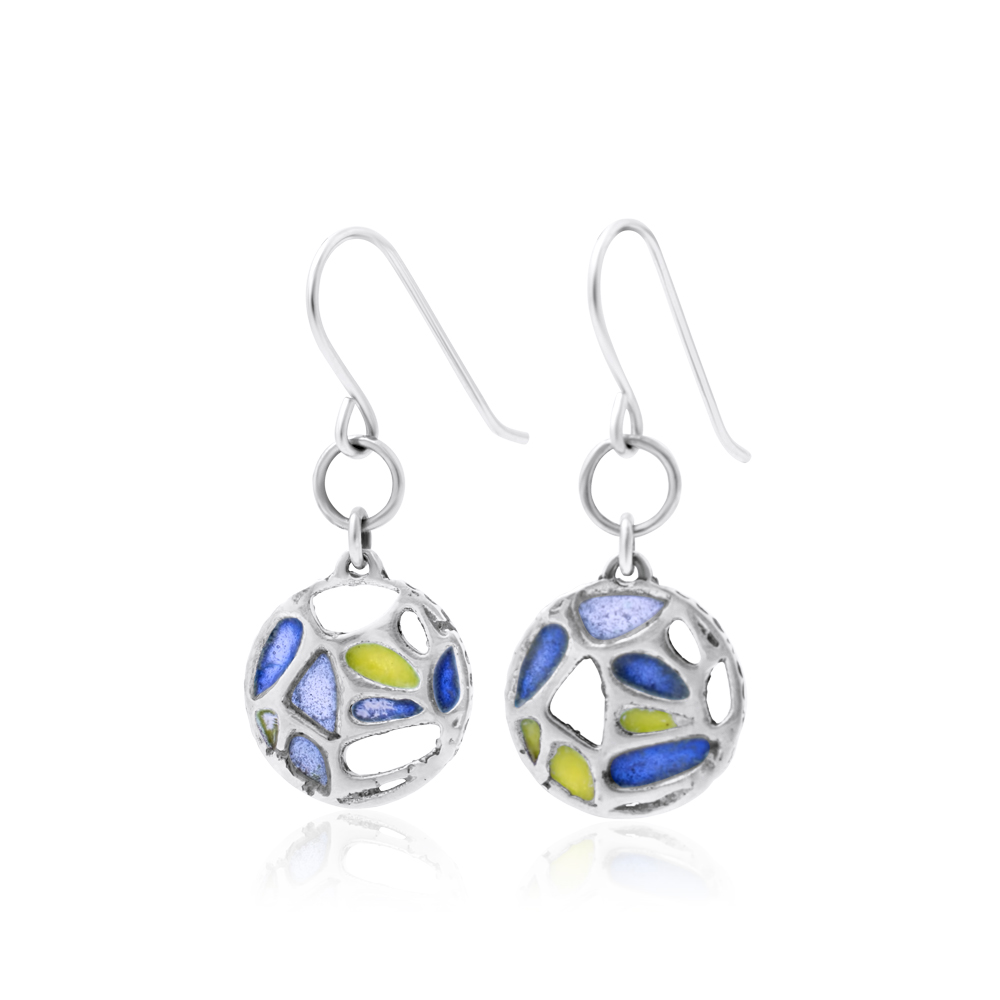
Each ring or earring is then realised entirely by hand in sterling silver. The algorithm proposes a form; I decide whether it is a ring or a pendant, how thick the silver walls should be, and which cells to leave open for enamel. The programme and the maker are in constant conversation.
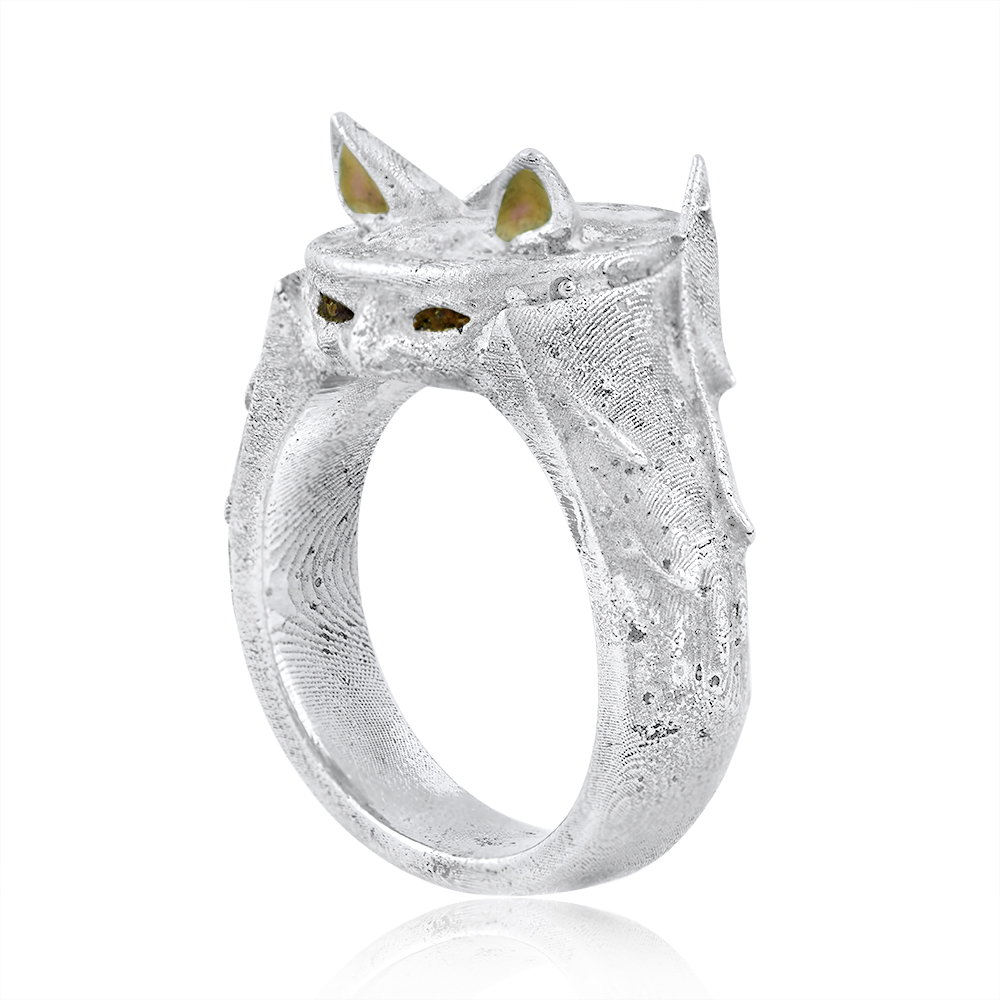
The Bat-Cat ring was an experiment realised using a locally run AI model. The result is very far from what a human would make, but still based on human input and data and the human choice of keeping this version of the art object.
The openwork cells are filled with plique-à-jour enamel, a technique in which transparent glass paste is fired inside a metal frame with no backing, so light passes through it like a tiny stained glass window. It is one of the most demanding techniques in jewellery, and one of the most fragile. Each firing can fail. Each colour may affect others when firing together.
All pieces in the Alike series are one of a kind. Pieces from this series have been exhibited at the National Museum of Decorative Arts in Madrid.